Hydration and Strength Training: How Much Water Do You Need?

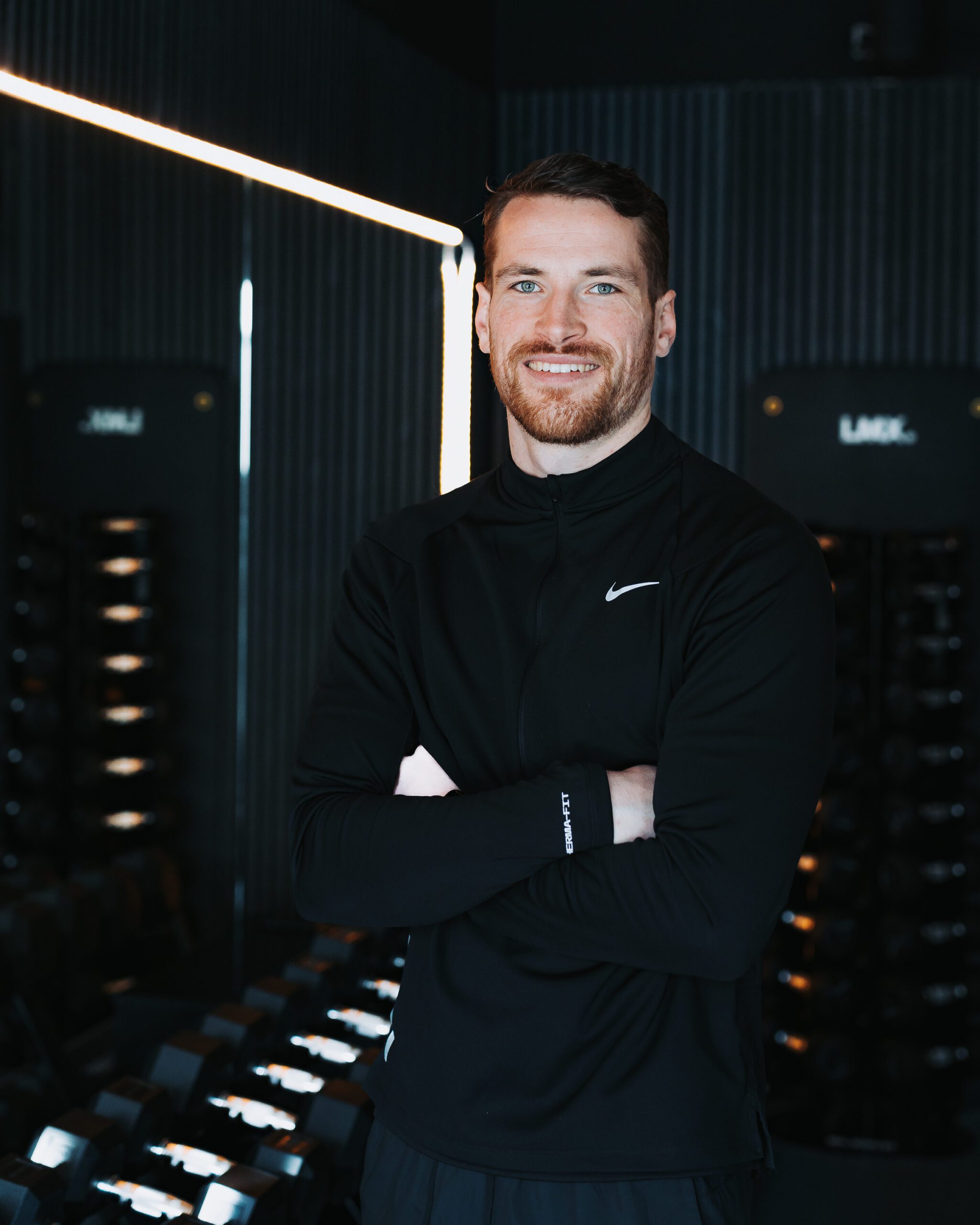
By Roel van den Bogaard, personal trainer and founder of Aurora Personal Training in Eindhoven.

Water is usually a suitable drink for a regular strength workout. How much you need depends on how much you sweat, the temperature and the duration of your session. Drink throughout the day, keep water available during training and replace fluid afterwards according to your needs. A fixed number of litres will not suit everyone.

But do you need to finish an entire bottle during every workout? Do coffee and tea count towards your fluid intake? And should you use electrolytes when you sweat?

This guide explains how to approach hydration before, during and after strength training, without unnecessary supplements or rigid drinking schedules.

Why is hydration important for strength training?

Your body uses water to transport nutrients and regulate temperature, among other functions. Exercise increases fluid loss through sweating, but the amount varies between people and workouts.

A demanding leg workout in a warm room may create different hydration needs from a short session in a cool studio.

Insufficient fluid can make exercise feel harder, particularly in hot conditions and when you sweat heavily. However, a disappointing workout does not automatically mean you are dehydrated. Sleep, nutrition, stress and training demands also affect performance.

The practical goal is to arrive adequately hydrated, have opportunities to drink and avoid forcing excessive amounts.

Person drinking water during a rest between strength training sets

How much should you drink each day if you strength train?

First, distinguish between the fluid you drink and the total water you obtain from food and drinks. Fruit, vegetables, yoghurt and other foods also provide water.

For adults eating according to its dietary guidance, the Netherlands Nutrition Centre lists minimum daily drink amounts of approximately 1.4 litres for women and 1.4–1.8 litres for men. These are general starting points, rather than individual sports hydration plans. Exercise, heat and heavy sweating can increase your needs.

These amounts include beverages such as water, tea and coffee. They are not targets for additional plain water on top of everything else you drink. [1]

Use general guidance as a starting point, then consider your activity, diet and circumstances.

Is 35 millilitres per kilogram of body weight a useful rule?

You may have seen the calculation of 35 millilitres per kilogram of body weight. It can provide a rough estimate, but it is not a universal prescription for everyone who strength trains.

The calculation does not automatically account for your food intake, sweat losses, the temperature or your health. It is also important to check whether a formula refers to beverages alone or total water from food and drinks.

Avoid adding a body-weight calculation, a general drinking recommendation and a fixed workout allowance together without considering what each figure includes.

If your doctor has given you a personal fluid recommendation, follow that advice.

Water drinken en afvallen met personal training

What to drink before, during and after strength training

Timing Practical approach
Before your workout Drink normally over the preceding hours. Avoid trying to catch up immediately before starting.
During a typical strength session Keep water available and drink at suitable moments, considering thirst and conditions.
During long or hot workouts Plan drinking opportunities more deliberately and account for greater sweat losses.
After your workout Continue drinking gradually and eat normally. Adjust your intake to the fluid you have lost.

Before training: spread your drinks throughout the day

Training after work? Make sure you also have opportunities to drink during your working day.

Having a drink with breakfast, lunch and breaks can help you build a manageable routine.

Trying to drink a large amount immediately before your first exercise can feel uncomfortable. Bring a bottle so you can drink during rest periods instead of relying on a last-minute catch-up.

During training: you do not have to empty your bottle

There is no single drinking target that is right for every hour of strength training.

Workout duration alone does not tell you how much fluid you have lost. An hour with long rest periods is different from a demanding circuit session in a hot environment.

Drink during suitable breaks, taking thirst and conditions into account. Your bottle is a useful tool, rather than a target you must finish.

If you train for prolonged periods, sweat heavily or combine multiple sports sessions, a sports dietitian can help you develop an individual drinking plan.

After training: water and an ordinary meal are often enough

Following recreational strength training, water and normal food are usually a suitable foundation. A sports drink or specialist recovery product is not automatically necessary. [2]

How much you drink afterwards depends on your session. A workout with little sweating does not require the same fluid replacement as a demanding session in the heat.

Spread your drinks over time. You do not need to replace everything immediately after your final set.

For the wider nutritional picture, read our guide to nutrition and muscle growth.

Do you need electrolytes for strength training?

Electrolytes are minerals, including sodium and potassium. When you sweat, you lose water and salts.

A typical strength training session does not automatically require an electrolyte drink. Targeted replacement may become more relevant during prolonged exercise, heavy sweating or when you have limited recovery time between sessions. Your needs depend on the circumstances. [2]

An electrolyte drink and a sports drink are not necessarily the same product. Some mainly provide minerals, while others also contain carbohydrates.

Choose according to your needs rather than assuming every product labelled “sport” will improve your workout.

Should you add salt to your morning water?

No. Adding salt to morning water is not a standard recommendation for strength training.

Celtic salt, Himalayan salt and sea salt are not essential ingredients for starting the day adequately hydrated. Your normal diet already provides salt, and sweating does not automatically mean you need extra. [3]

If you regularly experience cramps or dizziness during exercise, do not assume a salt deficiency is the cause. Discuss recurring symptoms with a healthcare professional.

Does drinking more water help you build muscle?

Adequate hydration belongs in the foundations of a sensible training routine. However, drinking extra water when you are already adequately hydrated is not an established way to build additional muscle tissue.

The main priorities for muscle growth remain:

  • A suitable resistance training programme.
  • Gradual progression in training demands.
  • Sufficient food and protein.
  • Adequate sleep and recovery.

Water supports normal function, but extra litres do not replace a productive training stimulus or sufficient nutrition.

Read our guide to progressive overload to understand how to increase training demands gradually.

Can drinking water help with weight loss?

Water contains no calories. Replacing sugary drinks or other calorie-containing beverages with water can reduce your calorie intake and support weight loss.

Adding more water without changing the rest of your eating pattern does not guarantee weight loss. [4]

Also, avoid judging fat loss by your weight immediately after a sweaty workout. A rapid drop on the scales mainly reflects a change in fluid, rather than a reliable measurement of lost body fat.

Look at your eating pattern, activity and progress over a longer period.

Do coffee and tea count towards hydration?

Yes. Coffee and tea contribute to your fluid intake. You do not need to compensate for every cup of coffee with an extra glass of water. [5]

However, pay attention to how caffeine affects you. If you feel restless or sleep poorly after afternoon or evening coffee, adjust the amount or timing.

Coffee contributing to hydration does not mean unlimited caffeine is a good idea.

Alcohol is not a suitable recovery drink. Drinking additional water alongside alcohol does not remove its other effects.

Drinking water before bed and after waking up

Do you drink very little during the day and large amounts in the evening? Try spreading your drinks more evenly.

Large drinks close to bedtime may lead to more trips to the bathroom during the night.

You do not need a universal rule that prohibits all drinks for 90 minutes before bed. If you are thirsty, an arbitrary cut-off time should not determine whether you drink.

Likewise, two glasses of water immediately after waking are not a compulsory ritual. Having a glass with breakfast can be a useful habit without claims about specially “activating” your metabolism.

How can you tell if you are drinking too little or too much?

Thirst and darker urine can suggest that you need more fluid. Urine colour is not a perfect test: food, medicines and supplements can affect it.

There is no need to aim for completely colourless urine throughout the day. Excessive water intake can also be harmful by lowering the sodium concentration in your blood. [1]

Stop exercising if you feel dizzy or unwell. Do not automatically assume that water or salt alone will solve the problem.

Seek urgent medical help if you become confused, unusually drowsy or feel close to fainting, particularly in hot conditions. [6]

Five habits that make hydration easier

  1. Keep drinks within reach. Have water available at your desk or workplace.
  2. Use regular drinking opportunities. Meals and breaks can provide useful reminders.
  3. Bring water to your workout. Make it easy to drink when you need to.
  4. Adjust for heat and heavy sweating. Your needs are not identical every day.
  5. Avoid catching up all at once. Spread drinks throughout the day rather than concentrating them around training or bedtime.

Choose habits you can maintain. You do not need to achieve a perfect hydration score.

Frequently asked questions about hydration and strength training

How much water should you drink during an hour of strength training?

There is no universal amount. Your needs depend on sweat losses, temperature and training demands. Keep water available and adapt your intake to the circumstances.

Do you need three litres of water a day to build muscle?

No. Three litres is not a universal muscle-building requirement. Adequate hydration matters, but additional water does not automatically produce more muscle growth.

Do you need electrolytes after every workout?

No. For a typical recreational strength training session, water and ordinary food are usually sufficient. Prolonged exercise, heavy sweating and limited recovery time may require a different approach.

Is tap water suitable during strength training?

Yes. In the Netherlands, tap water is suitable for an ordinary strength training session. Special sports water or mineral water is not necessary.

Can you drink too much water?

Yes. Forcing large amounts can be harmful. Avoid continuing to drink simply because an app, bottle or general schedule tells you to reach a particular target.

Does sweating more mean you are burning more fat?

No. Sweating helps regulate body temperature. The amount you sweat is not a reliable measure of fat loss or workout effectiveness.

Training, nutrition and recovery at Aurora

At Aurora Personal Training in Eindhoven, we consider your training alongside the habits that help you make progress. Hydration is one part of that picture, together with nutrition, sleep and a programme suited to your experience.

A manageable drinking routine, water within reach and attention to heat and sweat losses provide a practical foundation.

Would you like support with training and lifestyle? Book a free intake at Aurora Personal Training to discuss an approach that fits your goals and schedule.

More articles

No-Bake Cookie Dough Bars with Date Caramel and Chocolate

Homemade Vanilla Ice Cream with Honey: With or Without a Machine

3 Bodyweight Exercises for Strength: Pull-Ups, Push-Ups and Squats

Request your free trial lesson now!

Contact us today and schedule your free trial lesson!